- Platform
- Solutions
- Resources
- About
Move beyond basic "did it work?" incrementality. Ditch black-box synthetic controls and use transparent, finance-ready experiments to continuously calibrate your Agile Marketing Mix Model and find your exact saturation points.

Attribution dashboards over-credit bottom-funnel channels, but standalone incrementality tools only tell you what happened in the past.
They force you into a trap of perpetual testing using black-box synthetic controls, and they fail to answer the CFO's real question: "At what dollar amount should we cap investment?" You need experiments that do more than report a lift percentage; you need them to actively feed back into your planning model.
Attribution is useful for directional signals, but it often overcredits channels that appear closest to conversion and undercredits channels that create demand earlier in the journey. That’s how teams end up optimizing for what’s easiest to measure, not what compounds growth.

Demand-capture tactics get credited for conversions that would have happened anyway.

Each Ad Platform optimizes to its own measurement lens.

Long-term impact and cross-channel halo are invisible in short windows.
Stop guessing what to test. Your Agile Marketing Mix Model flags the specific channels with the highest measurement risk and recommends the exact experiment design to run.
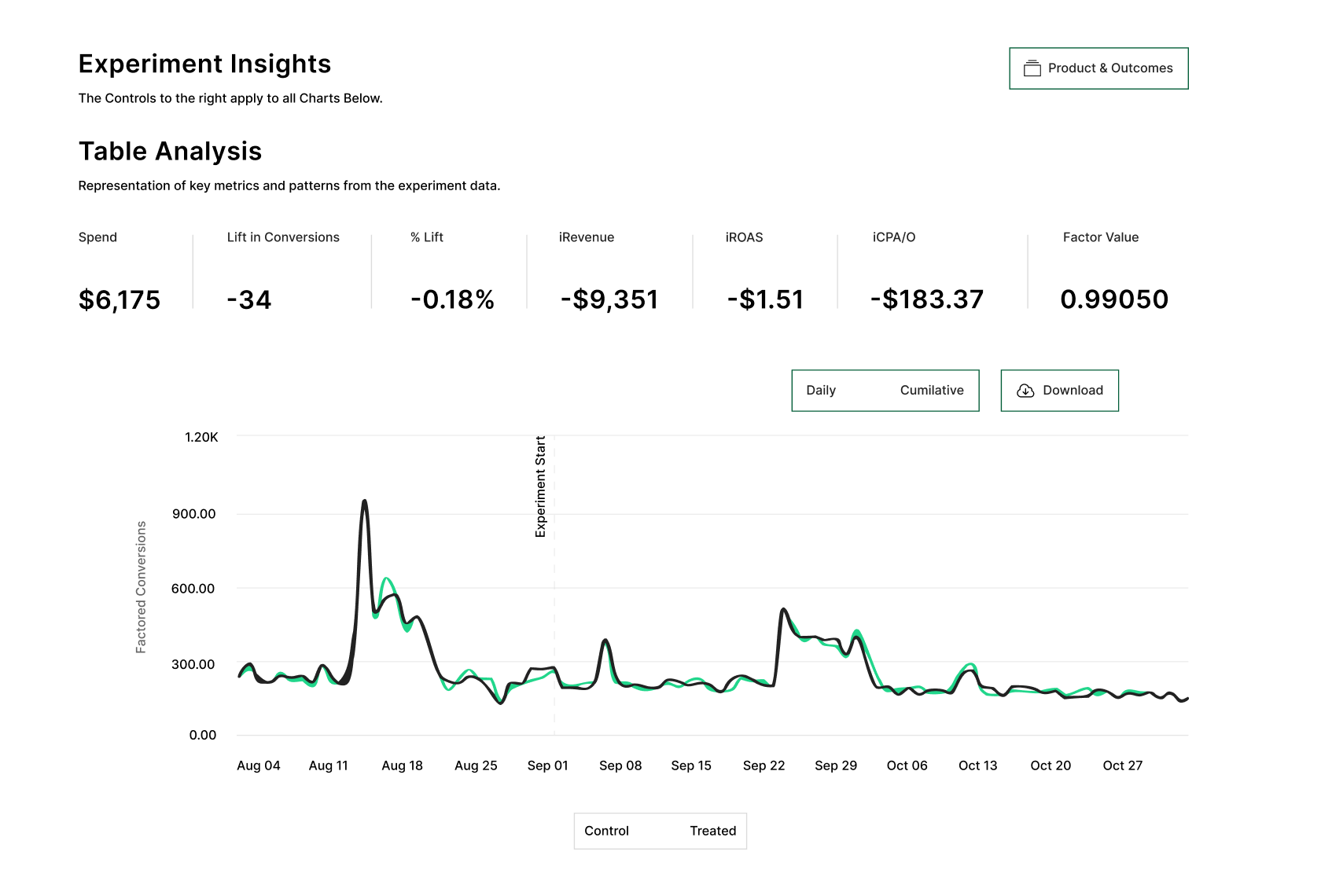
Execute pacing or switchback tests using auditable Stratified Random Sampling. We ditch opaque synthetic controls so your Finance team can trust and validate the comparison.
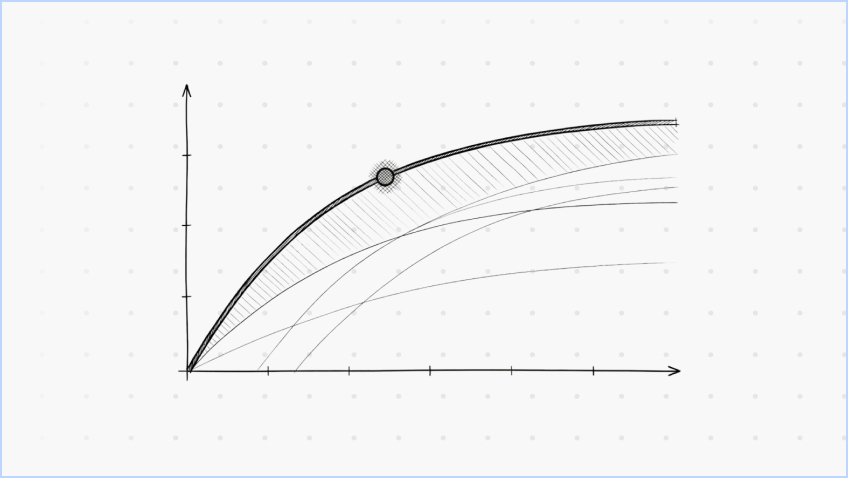
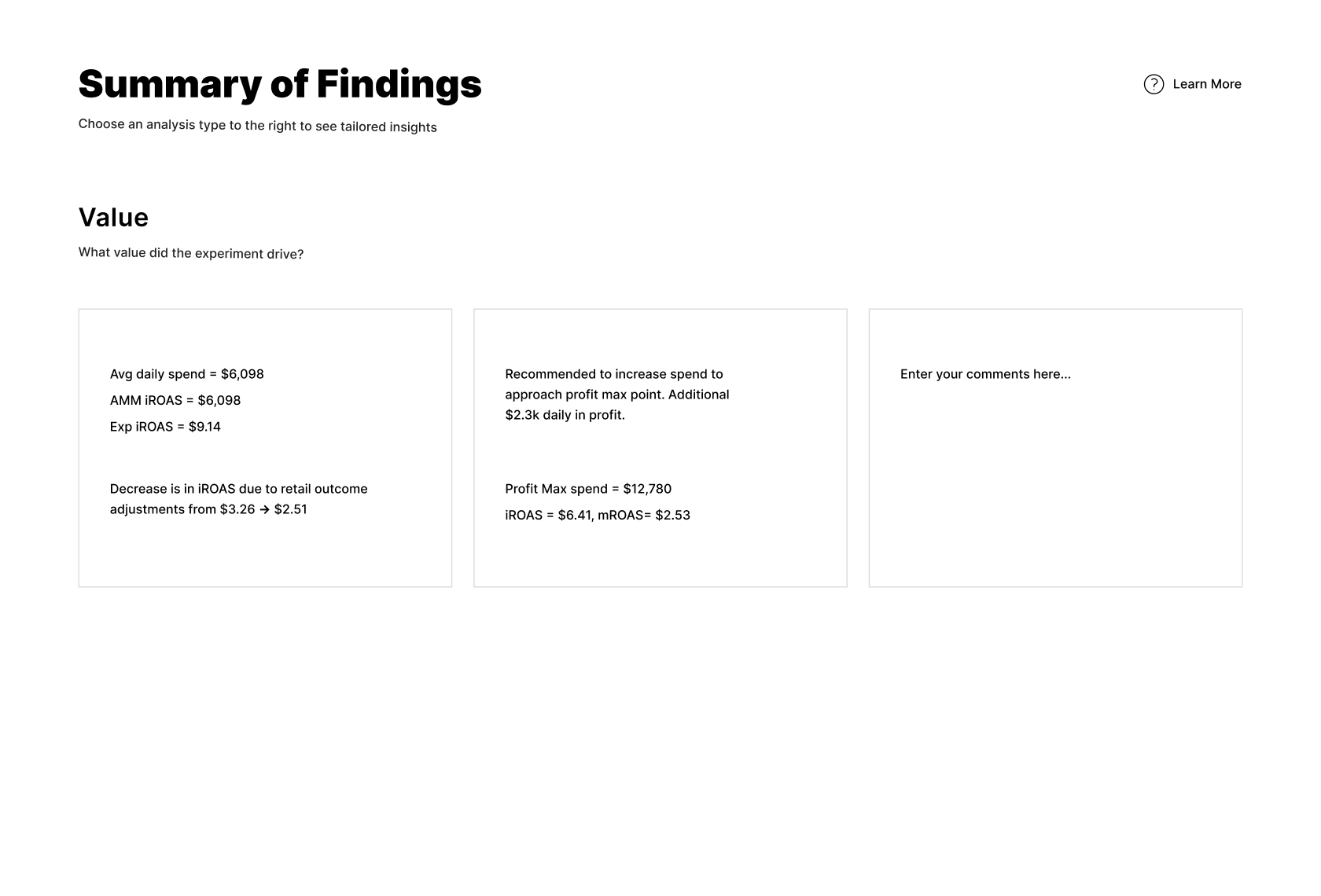
Instead of just reading a result, feed the causal proof directly back into your Agile Marketing Mix Model as a "Truth Serum." This calibrates your response curves so you can confidently reallocate your next dollar.
Calibrating the Model
Transparent Geo-Testing
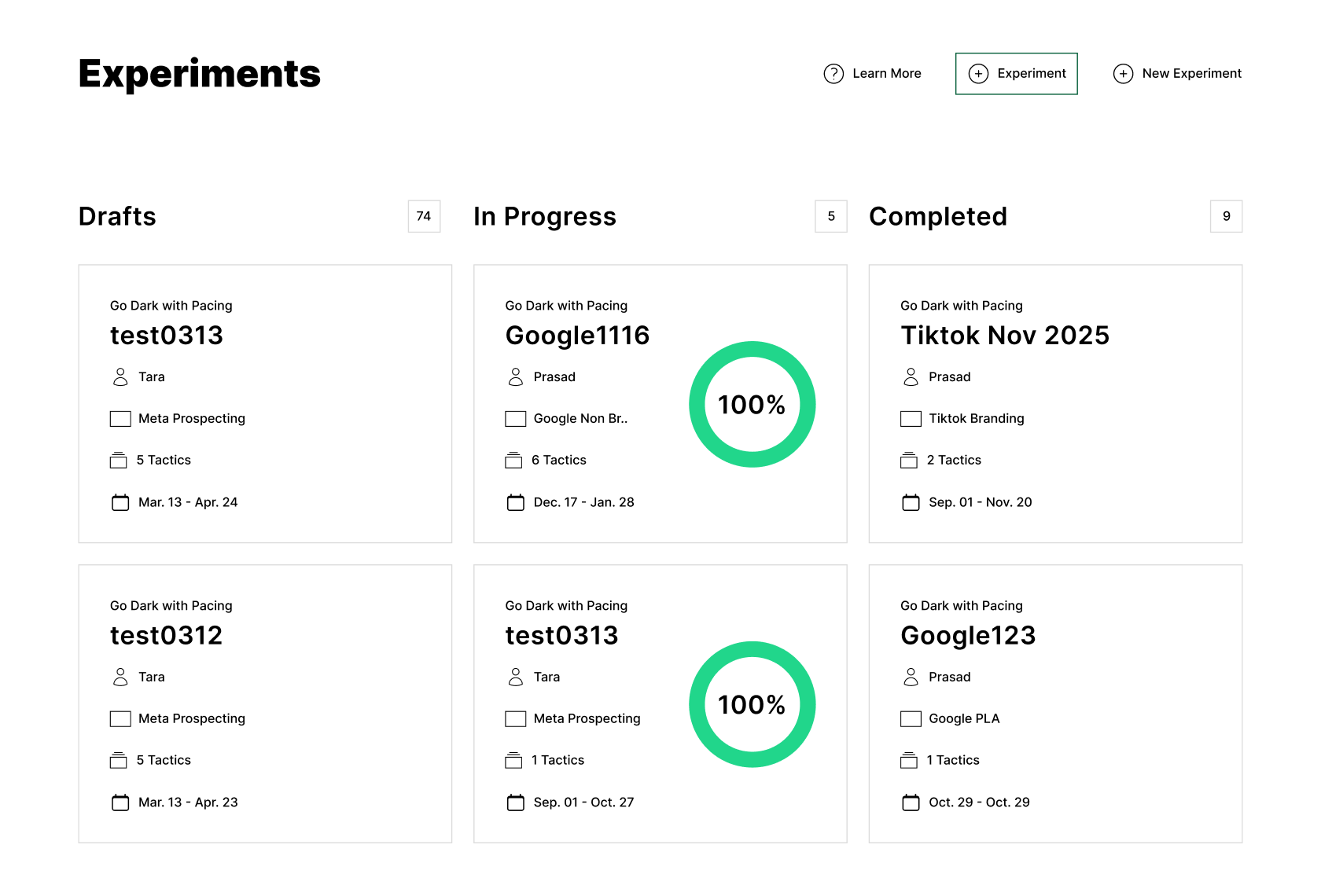
Enterprise Test Management